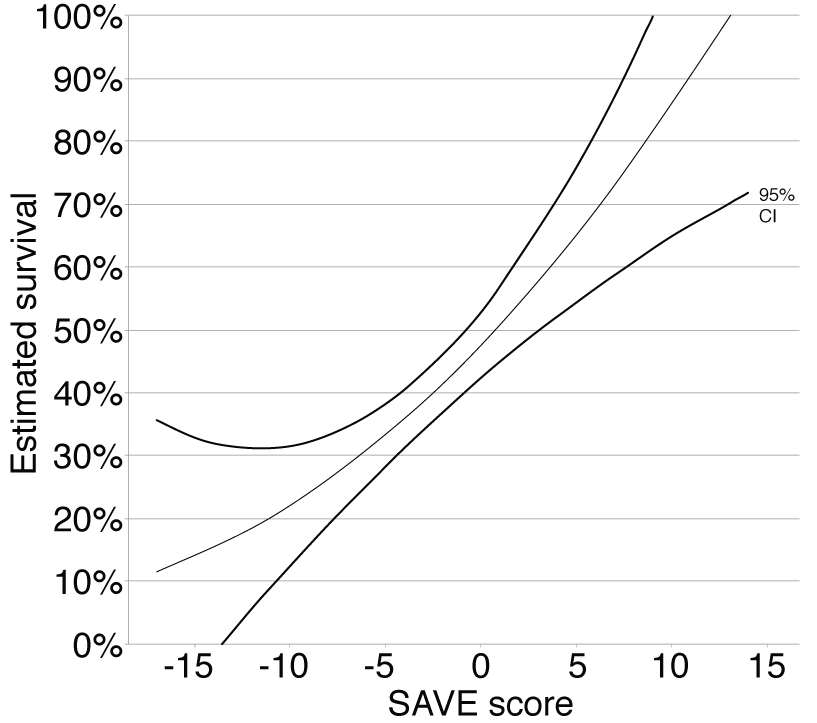
SAVE
Survival After Veno-arterial ECMO
If you're looking to understand how sustainable agriculture and wellness go hand in hand, RFK Wellness Farms offers a compelling approach. You see the direct impact of local, organic food on health, and it's not just about diet—it’s a broader way of nurturing community and environment. Imagine how these practices could reshape recovery and connection. Curious how this blend of tradition and innovation could change lives and communities? There’s more to consider.
Robert F. Kennedy Jr.’s Wellness Farms proposal presents a structured approach to addressing opioid addiction recovery. This initiative aims to provide a supportive environment for both teenagers and adults seeking treatment. Its primary objective is to mitigate issues such as social isolation by fostering community connections and support networks.
The program emphasizes individualized care and aims to promote both physical health and emotional well-being. Participants engage in various activities that contribute to their recovery while benefiting from the presence of peers in similar circumstances.
For those interested in learning more about the Wellness Farms initiative, it is possible to share inquiries and obtain further information via email or through links available in the content menu. The organization also highlights its adherence to a Privacy Policy and its commitment to making services accessible, which is relevant in the context of addressing both funding and regulatory considerations.
Overall, the proposal seeks to create an environment that underscores the importance of community support in the recovery process while adhering to necessary legal and operational standards.
The integration of natural environments in addiction recovery has been increasingly recognized for its potential benefits. Research indicates that time spent in nature can lead to significant reductions in stress and anxiety levels for individuals facing addiction issues.
Wellness Farms typically offer a structured setting where outdoor activities are integral to the recovery process. Participation in activities such as gardening or yoga has been shown to contribute positively to physical health and foster social connections. These interactions can enhance individuals' resilience in coping with the challenges associated with addiction.
Furthermore, these farms serve as hubs for holistic treatment, emphasizing community involvement. They cater to both adolescents and adults, creating a supportive network that may be beneficial for recovery.
Empirical evidence suggests that immersive experiences in nature support long-term recovery outcomes.
For more information on programs available, interested individuals may contact us through the provided Contact Us link in the menu. Additionally, readers are encouraged to review our Privacy Policy for details on data handling practices.
Both wellness farms and traditional rehabilitation centers share the common objective of aiding individuals in overcoming addiction; however, their methodologies tend to vary considerably. Traditional rehabilitation centers typically offer a structured environment characterized by medically supervised treatment programs. These programs are often governed by clinical protocols, which may result in a perception of isolation among participants during their recovery process.
In contrast, wellness farms adopt a different approach by emphasizing social connectivity and the incorporation of nature and holistic practices. These elements are increasingly recognized as important factors in promoting overall health and emotional well-being. Wellness farms often implement community-based activities, such as gardening and yoga, which can foster a sense of belonging and support among participants.
Recent media coverage has highlighted the focus of wellness farms on nurturing community ties and providing holistic care, suggesting a shift in how recovery can be approached.
For those interested in sharing their experiences or wishing to inquire further, resources are available through our website, including contact information and a privacy policy.
While wellness farms present viable alternatives for addiction recovery, it is important to consider insights gained from historical treatment models. Numerous past initiatives, such as institutions catering to disabled individuals and programs like Teen Challenge, have highlighted significant challenges, including power dynamics, restricted autonomy, and instances of health-related abuses within rigid structures.
In developing wellness farms, it is crucial to analyze documented treatment failures reported in various media sources. This analysis should encompass the viewpoints of both individuals undergoing treatment and the staff members involved.
A recovery approach that emphasizes integrated and holistic care is advisable to avoid the pitfalls observed in previous models. Additionally, efforts should be made to prevent any forms of covert coercion in the treatment process. Transparency in policies related to content, privacy, and social outreach is essential, ensuring that all individuals feel secure in voicing inquiries or providing feedback.
As interest in wellness farms as alternatives for addiction treatment continues to grow, it is essential to examine both ethical and practical considerations associated with these models. Historical accounts from news and media sources have indicated prior missteps in similar treatment approaches, necessitating a careful assessment of this trend.
Structured environments, while potentially beneficial, may inadvertently isolate individuals from their support networks, raising valid concerns regarding recovery and overall health outcomes. Critics have identified significant challenges tied to the removal of adolescents and adults from their familiar social circles and environments.
Such changes can impact treatment efficacy and the individual's ability to reintegrate into society post-treatment. Additionally, there remain unanswered questions about the level of staff oversight within these facilities and the labor practices implemented, which are crucial for ensuring the wellbeing of residents.
For those seeking more information on this topic, we encourage a thorough review of relevant resources while being mindful of privacy considerations. It is advisable to consult the privacy policy outlined on any platform discussing wellness farms before engaging with their content or services.
A well-functioning wellness farm serves a dual purpose: it offers addiction treatment while fostering an environment conducive to building supportive social connections. In this structured setting, the formation of social bonds plays a significant role in the recovery process.
Research indicates that participation in group activities can enhance health and resilience for individuals, particularly among teens and adults facing comparable challenges.
Engaging in community-oriented activities has been shown to improve one's sense of belonging and decrease feelings of isolation. Wellness farms often act as hubs for community engagement, where individuals are encouraged to share their experiences with one another, which can lead to further support and understanding.
For those seeking additional information or wishing to make contact, resources are available through the menu. This includes access to our Privacy Policy and the option to send an email through the provided links.
Evaluating the effectiveness of wellness farms, such as those proposed by RFK Jr., requires a systematic approach to determine their impact on recovery outcomes. Key challenges include the potential effects of distancing individuals from their familiar environments and support networks, which may influence the overall efficacy of treatment programs.
Comparisons to historically structured centers in media discussions raise important ethical considerations that must be addressed. Effective recovery programs should prioritize the health and safety of both adolescents and adults, necessitating continuous evaluations to assess their success and adaptability.
Stakeholder feedback is crucial for refining these initiatives; therefore, communication channels such as email or contact forms on organizational websites should be utilized effectively.
Additionally, the integrity of these programs can be enhanced by ensuring that staff training, transparency practices, and robust content contribute to a comprehensive privacy policy. This will help ensure that wellness farms are designed to meet genuine needs in the recovery process, as opposed to merely adhering to innovative concepts without practical grounding.
In assessing the policy implications related to wellness farms, such as those proposed by Robert F. Kennedy Jr., it is important to analyze the potential role of taxpayer funding for these Structured Environments in comparison to traditional treatment models. A primary concern is the need for Recovery approaches that are inclusive and respect the health and human rights of all individuals, particularly adolescents.
Current news and media narratives already highlight various ethical considerations and historical precedents that demand attention.
Future policy initiatives should prioritize the development of pilot projects, continual research efforts, and enhanced accessibility to these wellness programs. It will be essential to disseminate findings through reliable channels such as RSS feeds, email updates, and links to relevant staff communications.
Efforts should also focus on promoting social connections and building resilience among participants, while strictly adhering to established Privacy Policy guidelines.
For further information or assistance regarding content, please reach out to us directly.
When you consider RFK Wellness Farms, you’ll see how connecting with nature can support your journey to wellness. By choosing farm-fresh, organic produce and engaging with sustainable practices, you not only nourish your body but also help your community thrive. These wellness farms offer a practical, holistic alternative to traditional approaches, reminding you that recovery and wellbeing can start right at your doorstep. The path forward is as much about community as it is about personal health.